Technique
Paddling Techniques
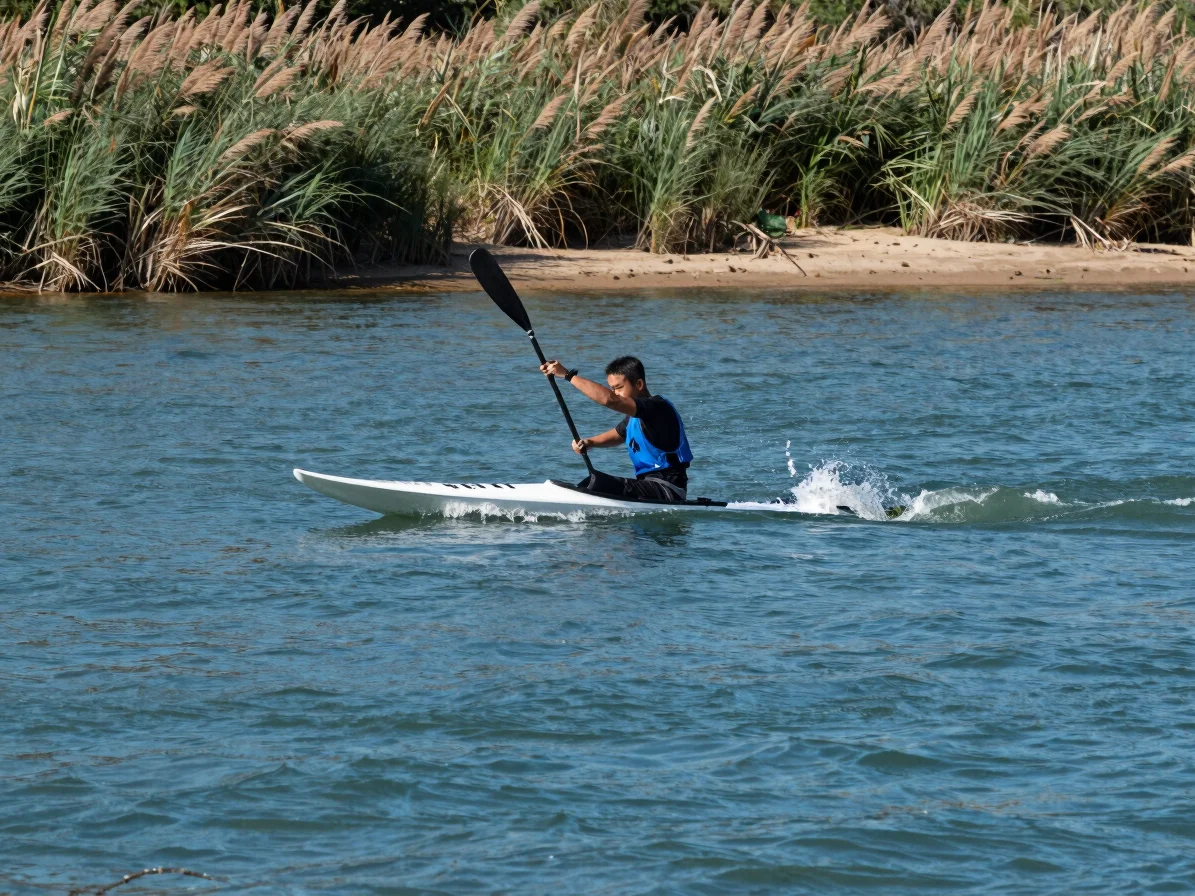
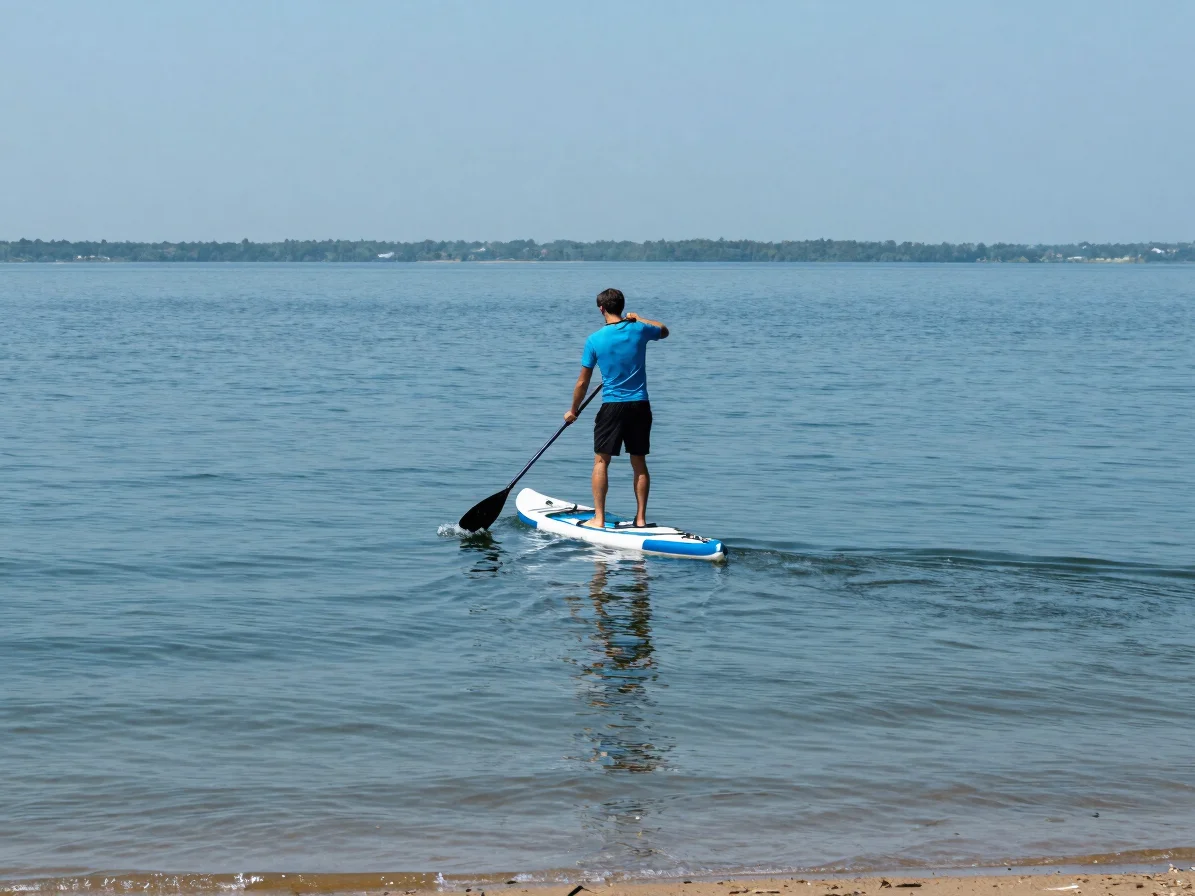
Forward speed comes from posture and rotation, not from arm strength alone. Here is how a clean stroke is built, phase by phase.
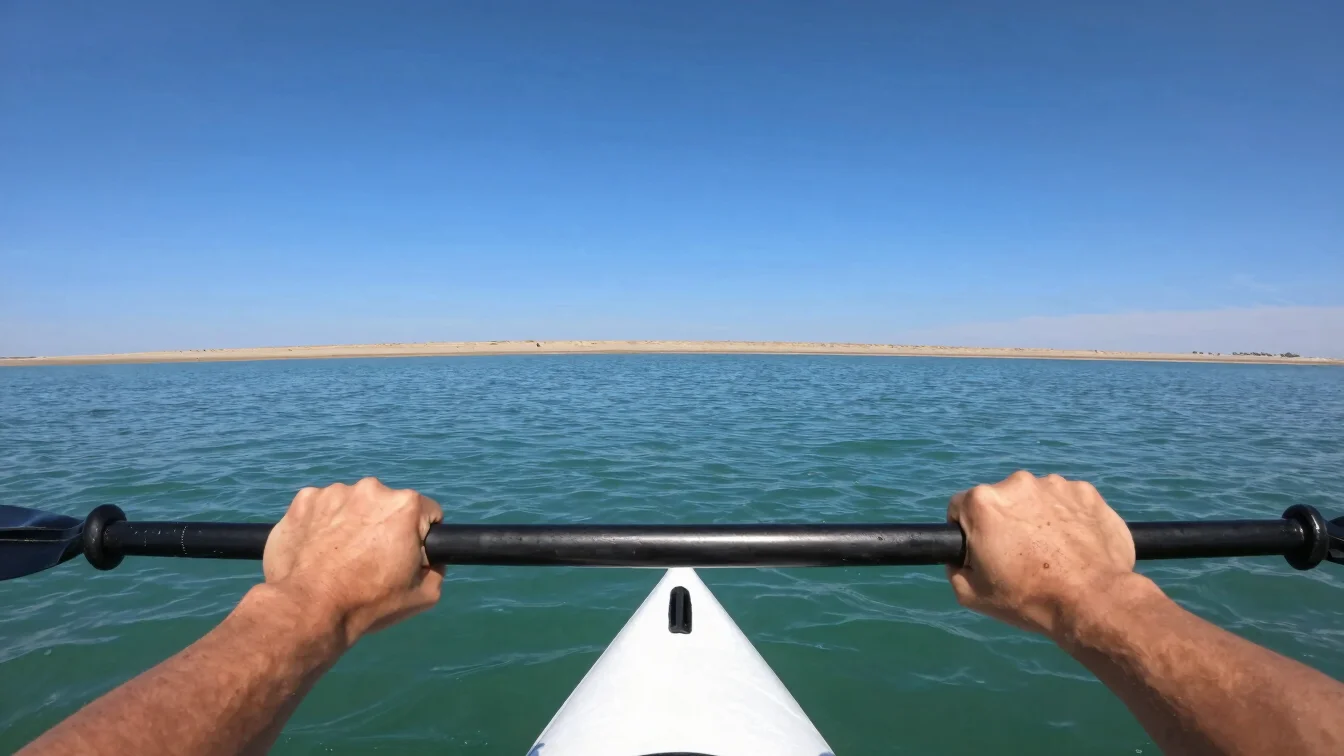
The vertical catch
Plant the blade near your feet and keep the shaft upright. A clean entry lets the water grip the blade before you apply any force.
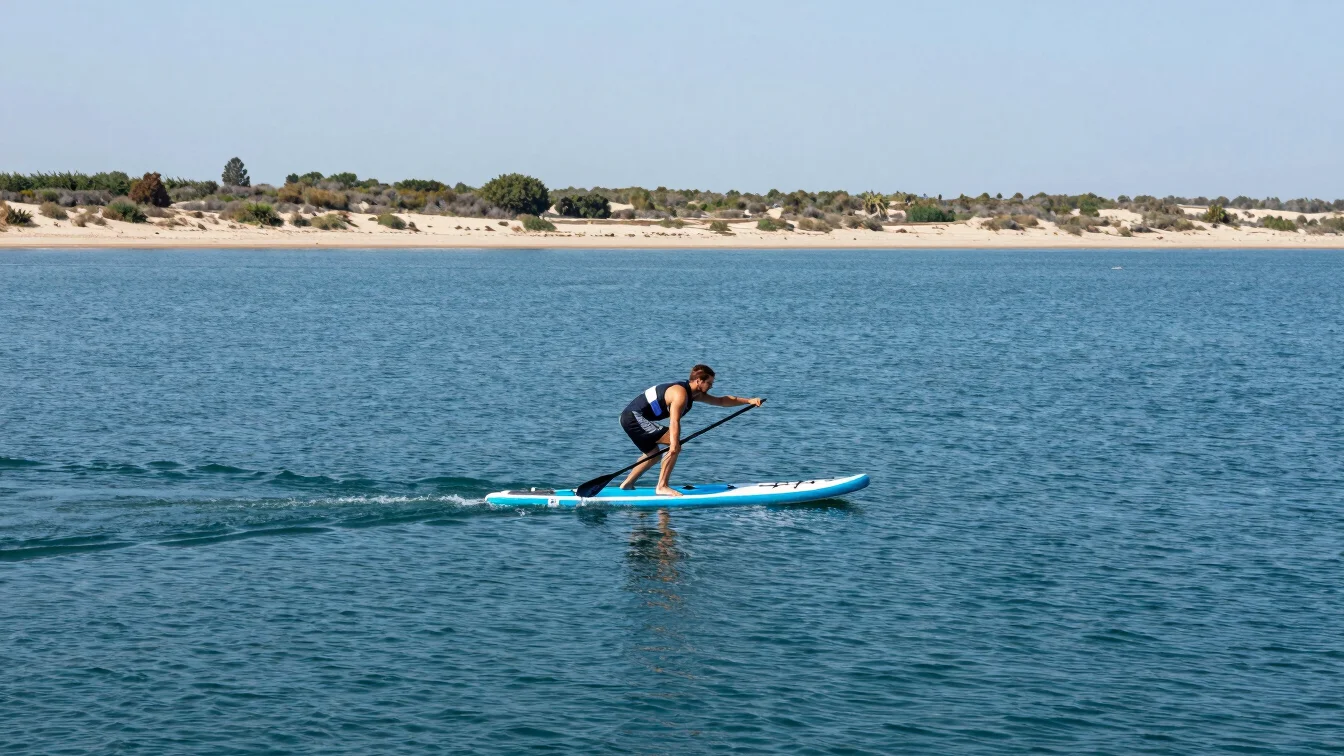
The power phase
Rotate your torso and engage your core as you pull the blade past your body. The legs and hips carry the load, so your arms stay relaxed.
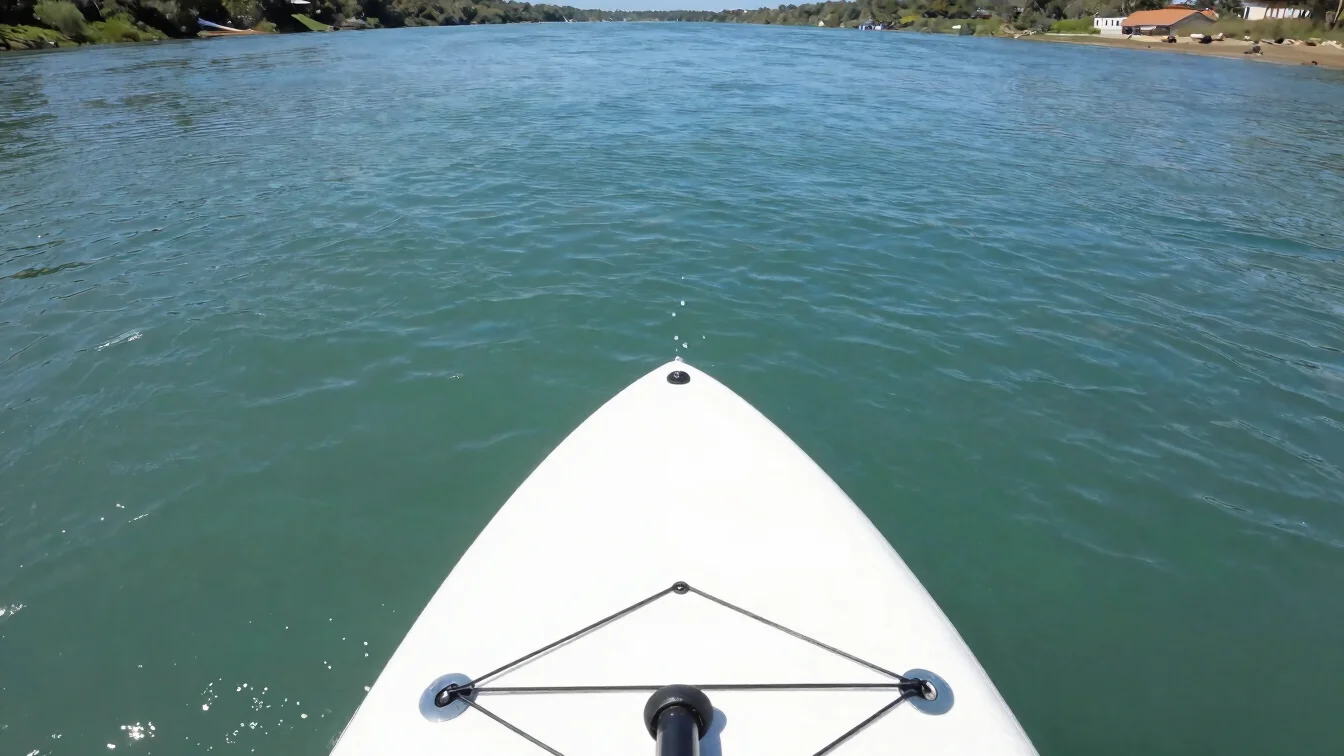
The quick release
Lift the blade cleanly at your feet. A short, controlled release keeps the stroke efficient and prevents drag on the return.
Maneuvers
Sweep turns and pivots
A sweep stroke, taken wide on one side, turns the board gradually and suits flowing water. For tighter direction changes, combine a reverse stroke with a step-back to pivot in place.
Progress one maneuver at a time. Build steady control on calm water before practising in wind or current.
Building progression
Start with a forward stroke and a gentle sweep. Once those feel controlled, add the reverse stroke and step-back pivot. Each step makes the next turn easier to read and execute.
A steady stance and a rotating torso will carry you further than strong arms ever will.
SUP & Outdoor editorial desk