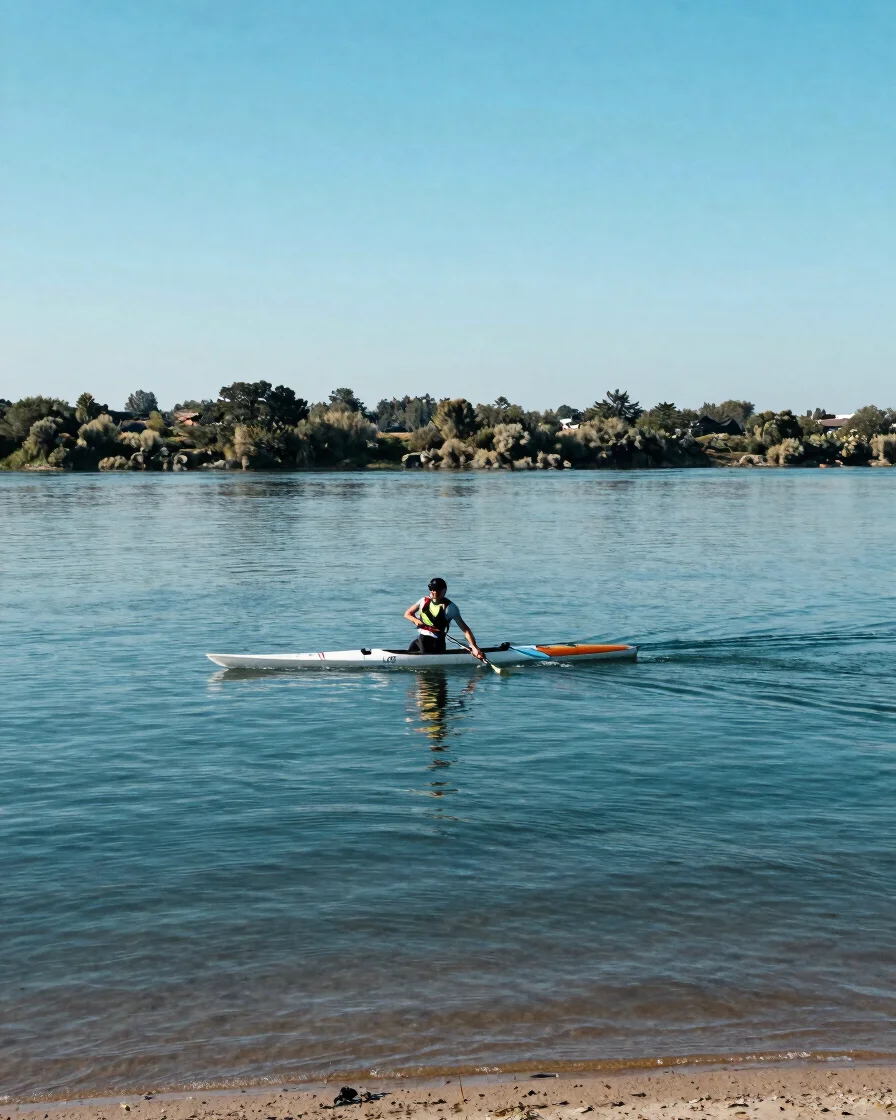
Gear and equipment
Choosing boards, paddles, and accessories
Board choice depends on your volume, the water you paddle, and whether you need inflatable convenience or rigid glide. Paddle weight, shaft flex, and blade angle all shape shoulder fatigue and stroke efficiency.
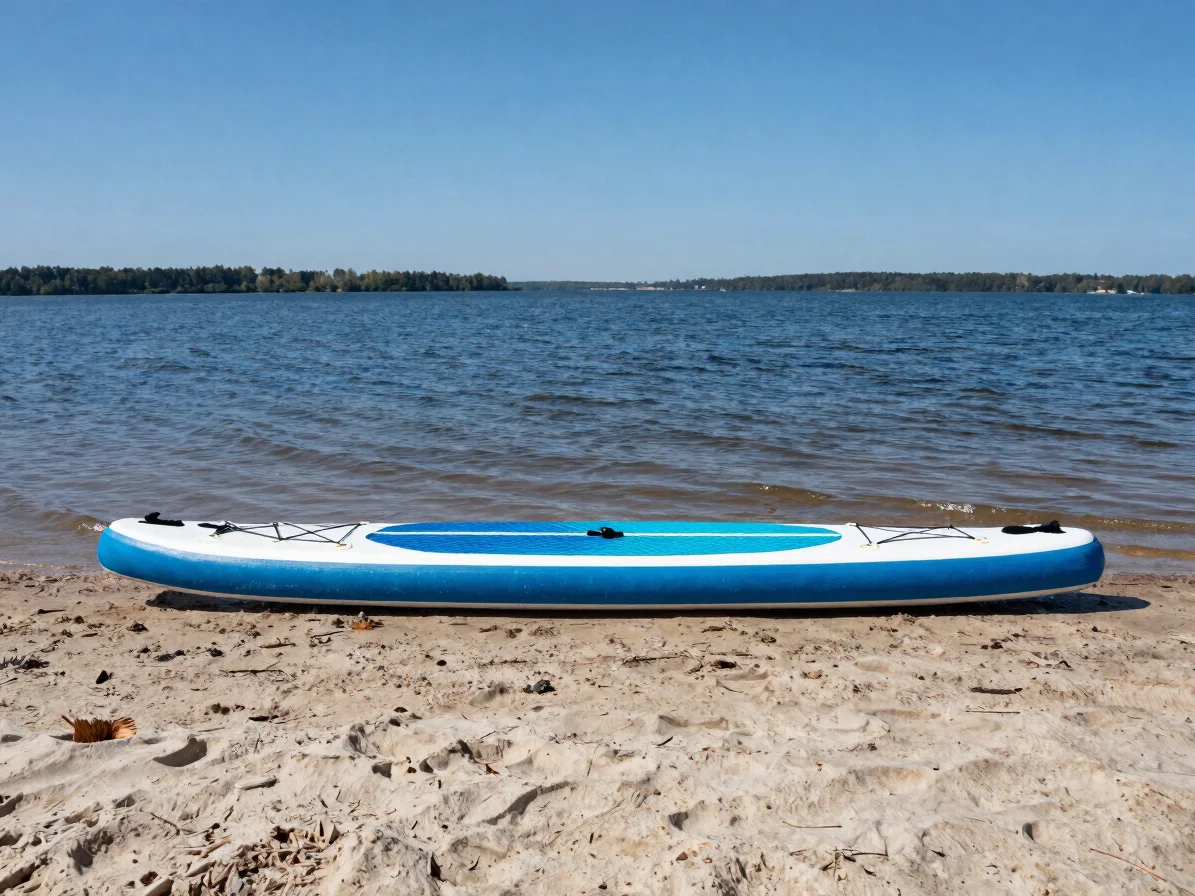
Inflatable boards
Compact to transport and store, with a stable deck for variable volume. Check valve integrity and pressure guidance before each outing.
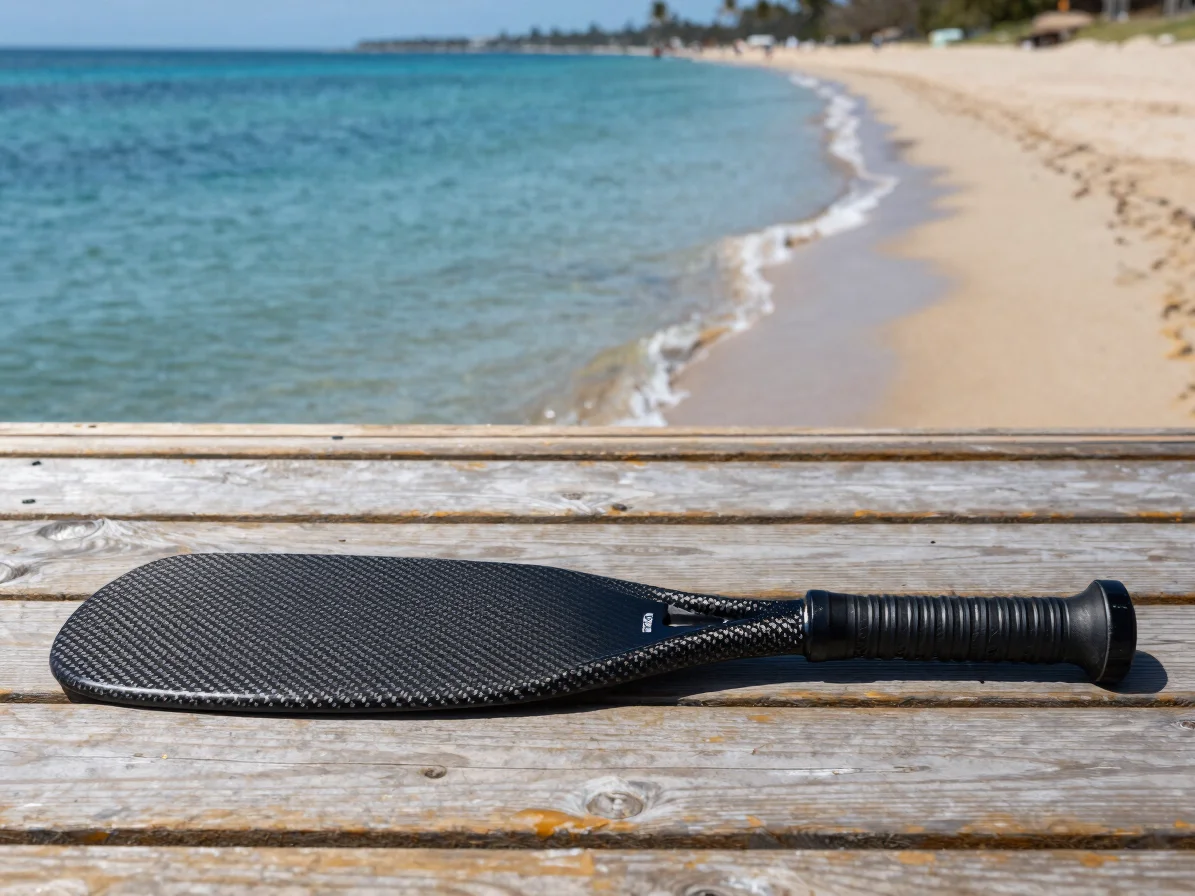
Paddle materials
Aluminum shafts are durable and accessible, while carbon shafts are lighter and stiffer. Compare weight, shaft flex, and blade angle against the strokes you plan to practice.
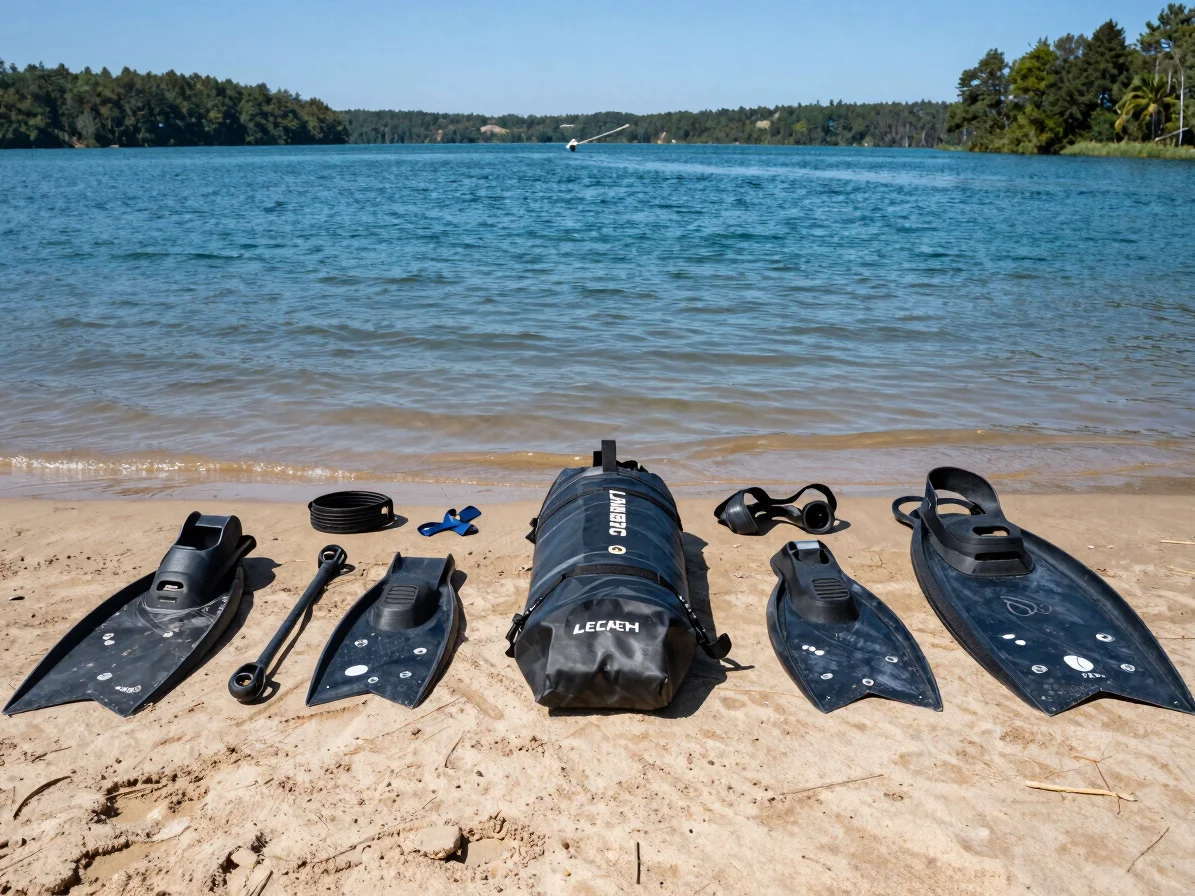
Essential accessories
A leash keeps the board within reach, and a drybag protects dry gear on the water. Add these before your first longer outing.
Maintenance
A seasonal care routine
Rinse your board and paddle with freshwater after each session, especially after salt water. Dry them thoroughly in shade, inspect the valves if you use an inflatable, and store equipment out of direct UV exposure.
01 Rinse with freshwater
Remove sand and salt from the deck, fins, and fin box to prevent wear.
02 Dry in shade
Let the board dry out of direct sun so materials and seams stay in good condition.
03 Protect from UV
Use a board bag or cover during storage and transport to limit sun exposure.
04 Check the fin box and valves
Look for grit in the fin box and confirm valves seal properly before inflating.
05 Pack for storage
Store boards flat or upright in a dry, ventilated space with paddles kept separate.
How to evaluate
Criteria for choosing equipment
Judge each piece of equipment on what it does for you: utility for your water type, the materials it is made from, and how easily it can be cared for over time.
Always check weather, local conditions, and regulations before every outing, whatever gear you choose.