Destinations in France
Lakes, rivers, and coastline
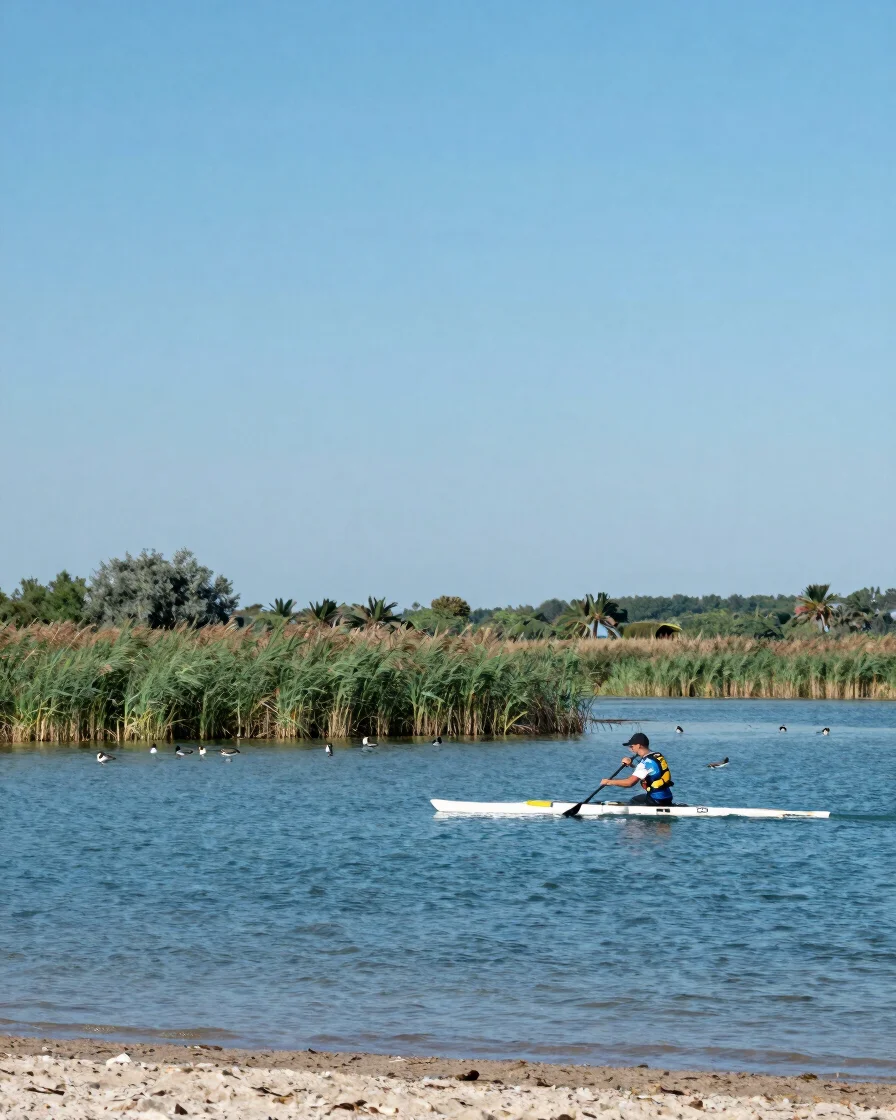
Each water body asks for different timing, launch awareness, and respect for protected reserves. Compare the three profiles before you plan an outing.
Alpine lakes
Calm, cold, and high
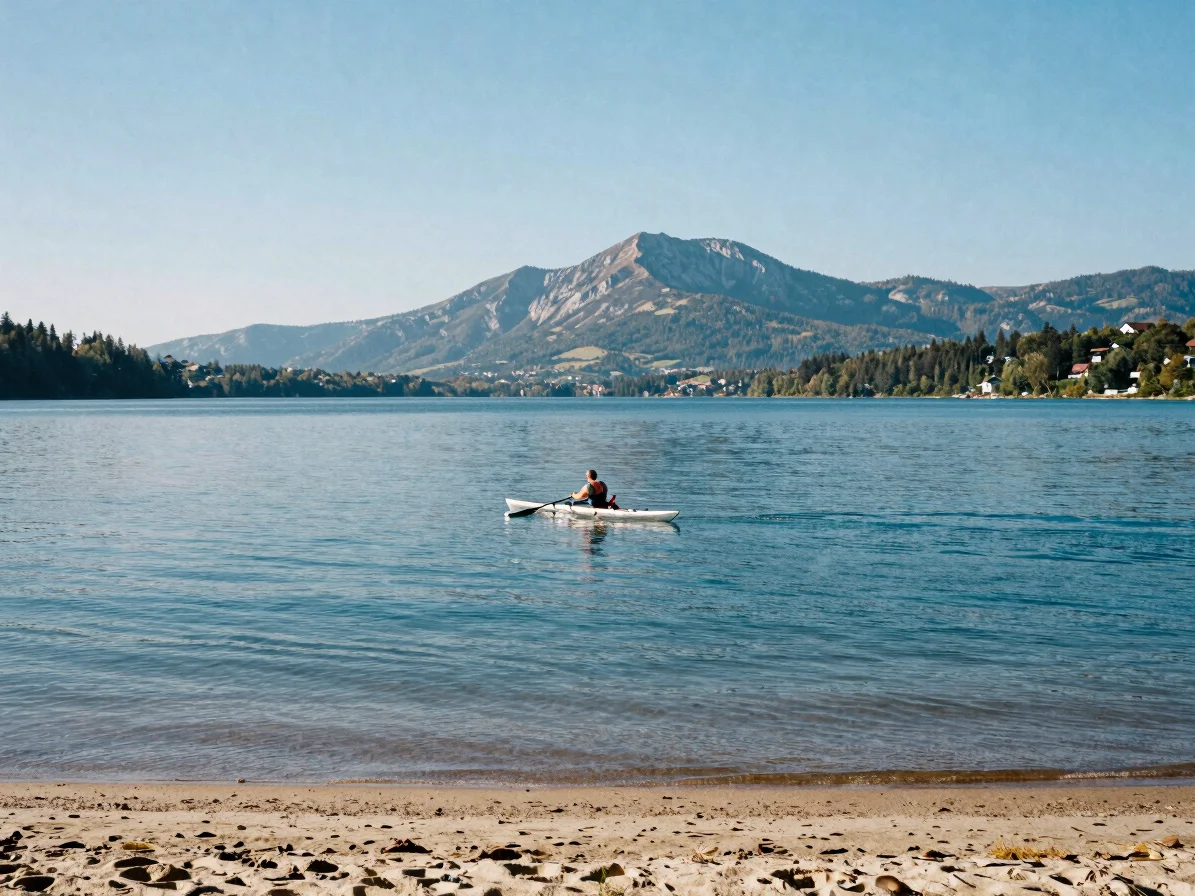
Mountain lakes often feel still in the morning and can change quickly when afternoon breezes build. Check water temperature and seasonal access rules before you go.
River valleys
Gentle current, shifting banks
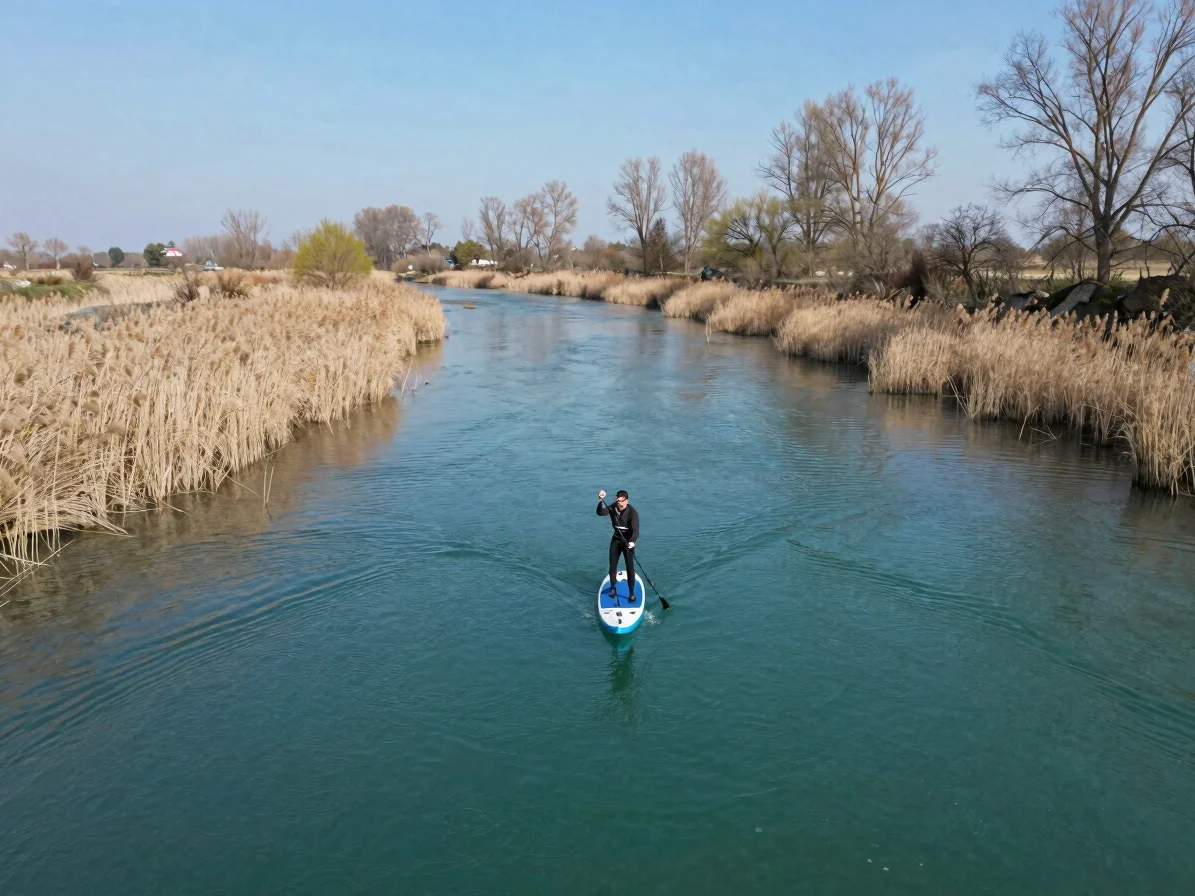
Slow river reaches suit steady paddling, but flow levels and debris change from week to week. Read the water and confirm local navigation rules at the launch point.
Ocean bays
Tidal, open, and exposed
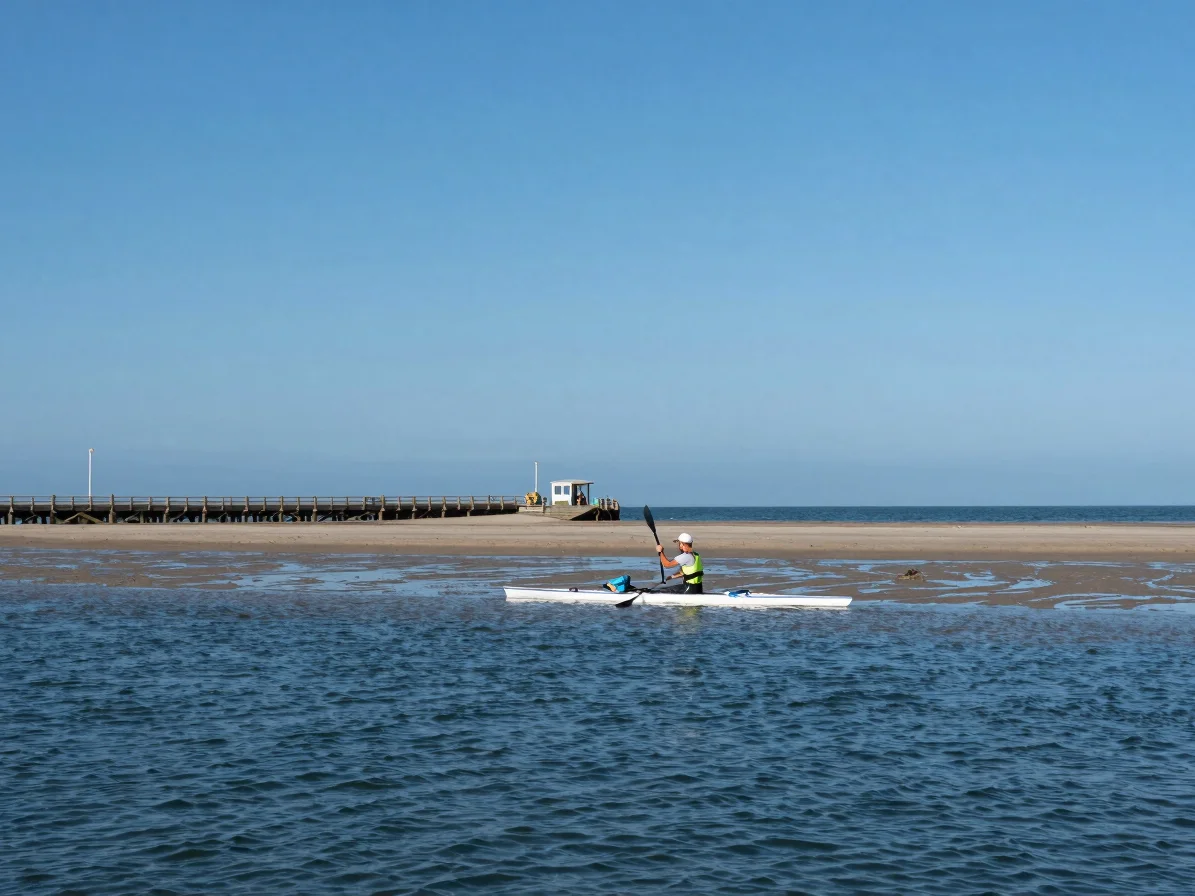
Sheltered bays offer clean water, yet tides, swell, and boat traffic corridors matter. Plan around the tide table and stay clear of marked bathing and navigation zones.
Featured routes
Read the route before you launch
Lake crossing
A steady shoreline route
A lake outing suits paddlers who want distance with predictable shelter. Note the launch access, the wind exposure of open stretches, and any signed zones where landing is restricted.
River descent
A gentle valley current
River routes reward attention to flow. Look for weirs, fallen trees, and shifting sandbanks, and confirm the water level with local information before setting out.
Coastal bay
Sheltered water with tidal limits
A bay route can feel protected while still shifting with tide and wind. Plan the timing, keep to marked corridors, and check the forecast for the whole outing, not just the launch.
Shared water
Navigate with care
Responsible navigation means sharing the water with fishermen, swimmers, and wildlife. Respect signed bird sanctuary boundaries and keep your distance from nesting areas, even where access looks open.
Always check the weather, local conditions, and regulations before every outing, and adapt your route if the situation has changed.